Polish Food Culture: A Delicious Guide for Language Learners
Learning Polish isn't just about grammar and vocabulary — it's about understanding the culture. And in Poland, few things are more central to culture than food. Sharing a meal is how Poles connect, celebrate, and show love. Knowing the food means knowing the people.
The Most Iconic Polish Dishes
Pierogi — The National Treasure
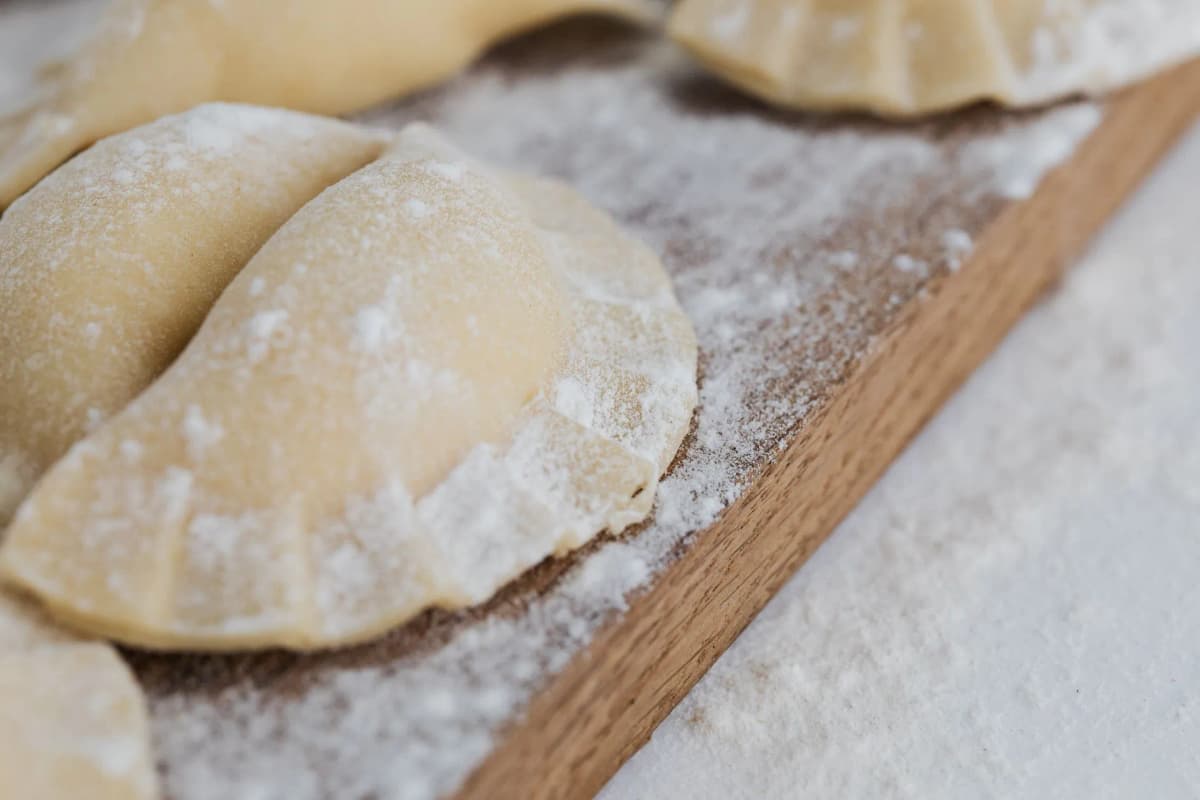
Pierogi are stuffed dumplings, and they come in endless varieties. The most popular fillings:
- Pierogi ruskie — filled with potato and twaróg (farmer's cheese). Despite the name ("Russian"), they're from the Ruś region of historical Poland.
- Pierogi z mięsem — meat-filled, often with leftover roast
- Pierogi z kapustą i grzybami — sauerkraut and mushroom, the classic for Wigilia (Christmas Eve)
- Pierogi z owocami — sweet versions with strawberries or blueberries, served in summer
Language note: Pierogi is already plural! One dumpling is a pieróg, though you'll rarely hear it — nobody eats just one.
Bigos — Hunter's Stew
Bigos is a hearty stew of sauerkraut, fresh cabbage, and various meats, simmered for hours (sometimes days). Every family has their own recipe. It tastes even better reheated the next day.
Żurek — Sour Rye Soup
This tangy soup is made from fermented rye flour, served with sausage (kiełbasa) and hard-boiled egg. It's often presented in a bread bowl (w chlebku). A must-try, especially around Easter.
Kotlet Schabowy — Polish Schnitzel
A breaded pork cutlet, served with mashed potatoes (ziemniaki/puree) and sauerkraut or cooked cabbage (kapusta). It's the everyday comfort food of Poland — think of it as the Polish equivalent of a Sunday roast.
Placki Ziemniaczane — Potato Pancakes
Grated potato fried into crispy pancakes, served with sour cream (śmietana) or a meat sauce (sos). Simple, satisfying, and beloved across the country.
Polish Meal Structure
A traditional Polish day of eating looks like this:
| Meal | Polish Name | Typical Time | What to Expect |
|---|---|---|---|
| Breakfast | Śniadanie | 7:00-9:00 | Bread, cold cuts, cheese, eggs, tea |
| Second breakfast | Drugie śniadanie | 10:00-11:00 | A sandwich or snack brought from home |
| Lunch/Dinner | Obiad | 13:00-15:00 | The main meal: soup + main course |
| Supper | Kolacja | 18:00-20:00 | Light — bread, salad, cold meats |
Cultural tip: Obiad is the biggest meal of the day, and it almost always starts with soup (zupa). Soup is not optional — it's a fundamental part of Polish dining.
Table Customs Worth Knowing
- Smacznego! — Said before eating, the equivalent of "Bon appétit!" You can respond with Dziękuję, nawzajem! (Thank you, likewise!)
- Na zdrowie! — The toast when clinking glasses. It means "To health!" Make eye contact when you say it.
- Leaving food on your plate can be seen as wasteful. Take smaller portions if you're unsure.
- Tea (herbata) is the everyday drink. Coffee (kawa) culture is growing fast, but tea remains deeply rooted.
- Poles are generous hosts. If you visit a Polish home, expect to be fed — abundantly. Refusing food can be difficult!
Essential Food Vocabulary
Here are words you'll encounter constantly:
| Polish | English | Polish | English |
|---|---|---|---|
| chleb | bread | masło | butter |
| ser | cheese | szynka | ham |
| jajko | egg | mleko | milk |
| mięso | meat | ryba | fish |
| warzywa | vegetables | owoce | fruits |
| zupa | soup | sałatka | salad |
| woda | water | piwo | beer |
| ciasto | cake | lody | ice cream |
Useful Phrases at a Restaurant
- Poproszę menu. — May I have the menu, please.
- Co Pan/Pani poleca? — What do you recommend? (formal)
- Poproszę rachunek. — The bill, please.
- Czy to jest ostre? — Is this spicy?
- Jestem wegetarianinem/wegetarianką. — I'm a vegetarian (male/female).
Pro tip: Learning food vocabulary is one of the most rewarding ways to study Polish. You'll use these words every single day, and they open the door to real conversations with native speakers.
Learn Food & Restaurant Vocabulary
Practice ordering food in Polish with our interactive lesson:
Food, Drinks & Ordering — Full Lesson
Shopping & Clothing Vocabulary
Shopping & Money — Grammar Reference